
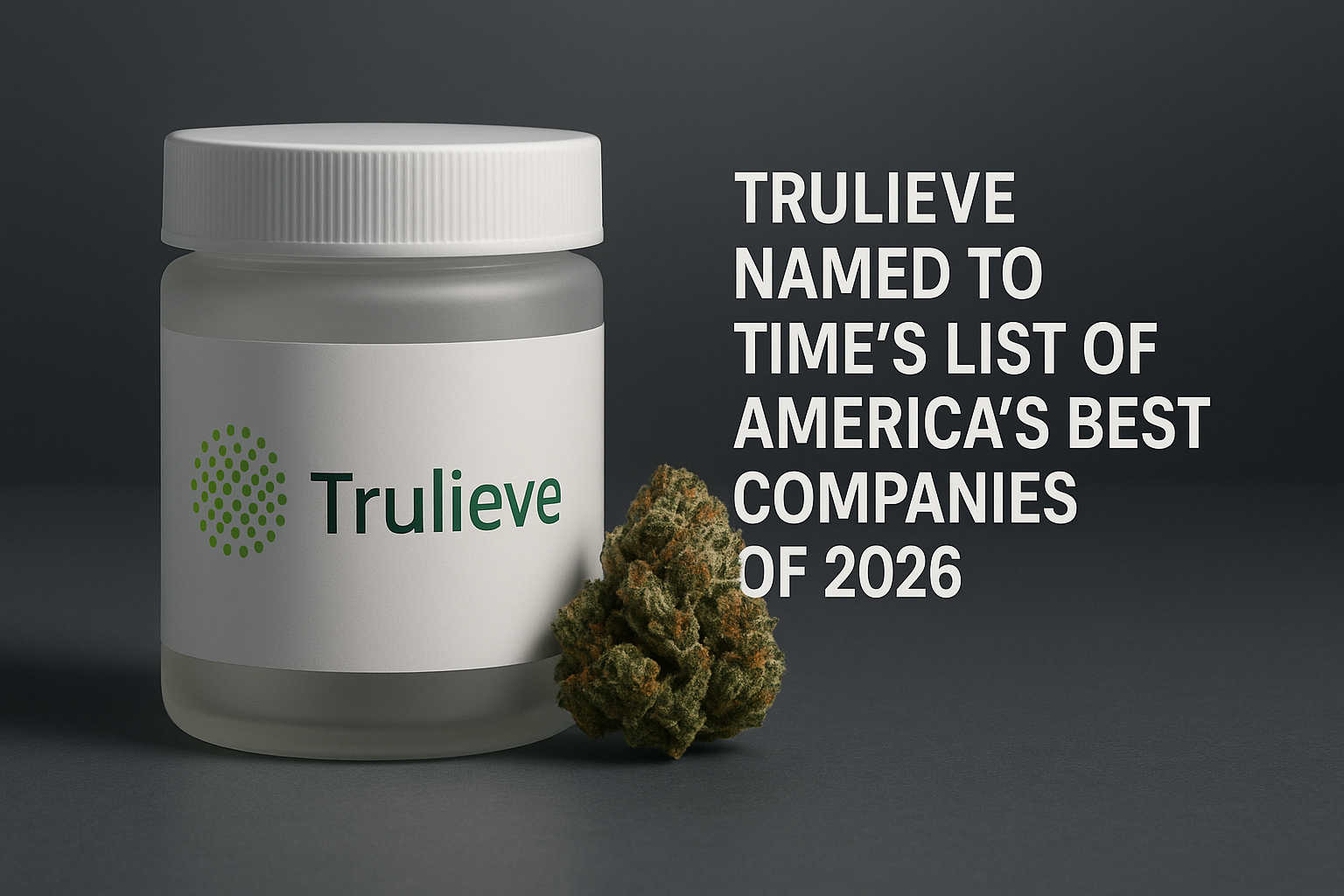
Trulieve has been named to TIME's 2026 list of America's Best Companies, a ranking compiled with Statista that evaluates roughly 7,200 eligible U.S. businesses on employee satisfaction, financial strength, and sustainability transparency. The multi-state operator landed at No. 921 - one of only two cannabis companies to make the cut. For an industry still locked out of federal banking and burdened by Section 280E tax treatment, that distinction carries weight beyond the press release.
The recognition matters because cannabis operators rarely get measured against mainstream corporate America on the same terms. Most third-party business rankings exclude plant-touching companies outright, either by policy or by the simple fact that federal illegality scrambles the financial disclosures those lists depend on. Trulieve's inclusion signals that its operational reporting - audited financials, workforce data, sustainability disclosures - held up to scrutiny designed for Fortune 500-style companies, not just cannabis peer benchmarks. That's a different bar. Back-office maturity of that kind doesn't happen without investment in the boring stuff: standardized seed-to-sale tracking, clean compliance logs, and retail infrastructure that can produce reliable data on demand. Multi-state operators expanding into new markets often lean on established POS software for Oregon cannabis retailers and similar regional platforms to keep inventory, tax reporting, and METRC integration consistent across state lines - a operational discipline that ranking committees, whether they realize it or not, are indirectly rewarding.
Why Federal Illegality Makes This Harder
Here's the catch that outside observers tend to miss: cannabis companies operate under financial constraints that don't apply to nearly any other regulated retail sector. Section 280E of the federal tax code disallows standard business deductions for companies trafficking in a Schedule I substance, inflating effective tax rates well above what a comparable retailer in another industry would pay. Layer on limited access to traditional banking, reliance on cash-heavy or cashless-ATM payment workarounds, and state-by-state license caps that shape where and how a company can even operate, and the financial-strength criteria TIME and Statista apply become a genuinely tougher climb for a plant-touching business than for, say, a software firm or a retail chain in an unregulated category.
That context is what makes a ranking like this a useful signal for the wider trade - not a marketing footnote, but a data point that a company's compliance infrastructure and financial reporting can withstand outside review.
What It Signals for Operators and Investors
For other multi-state operators, brands, and wholesalers watching this from the sidelines, the takeaway isn't about Trulieve specifically - it's about what gets rewarded. Employee satisfaction and sustainability transparency are not line items most dispensary operators prioritize when cash flow is tight and compliant packaging costs, lab testing fees, and excise tax bills are already eating into margin. But the companies that survive long-term consolidation cycles tend to be the ones that treated those areas as real investments rather than afterthoughts.
Trulieve operates dispensary locations in Arizona and seven other states, a footprint that requires managing distinct licensing regimes, tax structures, and advertising rules in each jurisdiction. Maintaining consistent employee standards and financial reporting across that kind of regulatory patchwork is not a small operational lift. Investors and landlords evaluating cannabis tenants or portfolio companies would do well to look past headline revenue and ask the same questions a ranking committee does: are the books clean, is the workforce data credible, and can the company demonstrate transparency without the usual caveats the industry leans on.
None of this changes the underlying reality that cannabis remains federally restricted, subject to age verification requirements, and dependent on state-level testing and packaging rules to protect consumers. A best-companies ranking reflects corporate governance and financial discipline - not a judgment on product safety or consumption, which remain matters for regulators, testing labs, and individual state law to police.